
The 5 Best Min-Max Builds in D&D 5e 2024 Rules
Creating powerful characters that excel at what they do.
One of the best parts of Dungeons & Dragons, in my opinion, is creating powerful characters that really excel at what they do. Having a
good build can be really fun. While roleplaying and storytelling are always important, many players like myself enjoy squeezing every bit
of effectiveness out of their builds. Those of us who played 2014 rules will remember a lot of the great min-max builds you'd find discussed
all over the internet. But with 2024 rules, things have changed. The 2024 Player's Handbook
introduced serveral changes to classes, feats, and character creation that opened up new optimization opportunities. Weapon Mastery, revised class features,
and origin feats have made some builds stronger than ever before.
Here are five of the strongest min-max builds available in Dungeons & Dragons 5e using the 2024 rules.
- Beserker Barbarian (The Boss Killer)
- Battle Master Fighter (The Weapon Master)
- Valor Bard (The Everything Character)
- Evoker Wizard (The Walking Nuclear Weapon)
- Moon Druid (The Unkillable Monster)
Beserker Barbarian
The Boss Killer
The 2024 Berserker received significant improvements and is no longer weighed down by the exhaustion mechanics that limited the subclass in 2014. Combined with Weapon Mastery and the
already impressive durability of the Barbarian, this build can deal incredible damage while remaining extremely difficult to kill.
The 2024 revision changes that narrative completely. With the removal of the exhaustion drawback and the addition of Weapon Mastery to the Barbarian's toolkit, the Berserker can finally
embrace its intended role: a relentless engine of destruction that charges headfirst into battle and refuses to back down.
What makes this build particularly appealing is its simplicity. Unlike spellcasters who must carefully manage resources and prepare for a variety of situations, the Berserker excels by
doing one thing exceptionally well—dealing damage. Every turn presents a straightforward question: "Which enemy needs to stop existing first?" The answer is usually whatever is standing closest.
Yet raw damage isn't the only reason this build earns a spot on our list. Barbarians remain among the toughest adventurers in the game thanks to their impressive hit point pool and Rage's damage
resistance. While other characters may be forced to retreat, the Berserker often thrives in the middle of the chaos, absorbing punishment that would drop less durable heroes.
For players who enjoy charging into combat, swinging oversized weapons, and solving problems through overwhelming force, the Berserker Barbarian represents one of the most satisfying and effective builds
available in D&D 5e's 2024 ruleset.
Recommended Setup
- Species: Goliath
- Background: Farmer
- Primary Stat: Strength
- Weapon: Greataxe or Greatsword
- Feats:
- Great Sword Master
- Tough
- Mage Slayer
Strengths
- Massive burst damage
- High hit points
- Advantage through Reckless Attack
- Excellent frontline presence
- Limited ranged options
- Can become a primary target for enemy spellcasters
What Makes it Good?
The 2024 Berserker Barbarian is honestly one of the biggest winners of the new rules. In 2014, Berserker was often considered a trap subclass because Frenzy caused exhaustion,
which could cripple your character after a few fights. That's gone.
At Level 3, you gain Frenzy.
While raging, once on each of your turns when you hit with a Strength-based attack, you deal extra damage equal to your Rage Damage bonus.
At level 3, that's +2 damage.
At level 9, it's +3.
At level 16, it's +4.
That Doesn't sound crazy until you realize:
- It's automatic
- No save
- No resource cost
- Works every turn while raging
Example at Level 5
Let's say:
- Strength 18
- Greatsword (2d6)
- Rage active
- Reckless Attack
- Extra Attack
Attack 2: 2d6 + 4 STR + 2 Rage
Average damage is already excellent before feats.
Now add: Great Weapon Master:
When you crit or kill something:
- Bonus Action attack
- Constant advantage
- Higher crit chance
Battle Master Fighter
The Weapon Master
The Battle Master Fighter has long been considered one of the strongest martial subclasses in Dungeons & Dragons, and the 2024 rules only
reinforce that reputation. While spellcasters often dominate discussions about powerful builds, the Battle Master proves that you don't
need magic to control a battlefield. Armed with superior training, tactical expertise, and an arsenal of combat maneuvers, this fighter can
turn even the most straightforward encounter into a carefully orchestrated victory.
What makes the Battle Master stand out from other martial characters is the sheer amount of control it brings to combat. Rather than simply
attacking over and over again, Battle Masters can knock enemies prone, push them away from vulnerable allies, disarm dangerous opponents, or
maneuver their companions into advantageous positions. Every turn presents meaningful decisions, rewarding players who enjoy thinking several
moves ahead.
The 2024 introduction of Weapon Mastery further elevates the subclass. Fighters gain access to more Weapon Mastery options than any other class,
allowing them to adapt to nearly any situation. Whether you're locking down a dangerous enemy, creating openings for your allies, or maximizing
your own damage output, the Battle Master always seems to have the right tool for the job.
Perhaps the greatest strength of this build is its consistency. Many powerful characters rely on limited resources, spell slots, or long-rest abilities
to perform at their peak. The Battle Master, by contrast, delivers reliable damage and battlefield control in nearly every combat encounter. Day after
day, fight after fight, it remains one of the most dependable builds in the game.
For players who enjoy tactical decision-making, battlefield control, and mastering the art of weapon combat, few builds are as rewarding as the Battle
Master Fighter. It may not throw fireballs or summon magical creatures, but it excels at something equally valuable: making everyone else on the battlefield
play by its rules.
Recommended Setup
- Species: Human
- Background: Guard
- Primary Stat: Strength
- Secondary Stat: Constitution
- Weapon: Greatsword, Glaive, or Halberd
- Fighting Style: Great Weapon Fighting
- Subclass: Battle Master
- Feats:
- Great Weapon Master
- Sentinel
- Mage Slayer
- Consistent damage output
- Exceptional battlefield control
- Excellent survivability
- Powerful Action Surge turns
- Effective at every level of play
- Limited out-of-combat utility
- Few answers to flying enemies
- Can struggle against magical effects targeting mental saves
- Requires tactical thinking to maximize effectiveness
What Makes it Good?
The Battle Master Fighter thrives on consistency and control. While many subclasses rely on powerful abilities that can only be used a handful of
times per day, the Battle Master remains effective in nearly every combat encounter. Its combination of Weapon Mastery, Superiority Dice, and Action
Surge allows it to deal impressive damage while simultaneously disrupting enemy plans.
At Level 3, you gain access to Superiority Dice and Maneuvers
which form the core of the subclass. These abilities transform your attacks into tactical tools, allowing you to trip enemies, frighten opponents,
reposition allies, or turn near misses into successful hits. Rather than simply attacking each round, the Battle Master constantly influences the battlefield.
The subclass becomes even stronger when combined with the Fighter's already impressive toolkit. Extra Attack increases your opportunities to apply maneuvers,
while Action Surge creates explosive turns capable of completely changing the course of a battle. When paired with Weapon Mastery, every attack becomes an
opportunity to deal damage while also controlling enemy movement and positioning.
What truly separates the Battle Master from other martial builds is flexibility. A Berserker may solve most problems by hitting harder, but the Battle Master
can adapt to the situation. Need to knock an enemy prone? There's a maneuver for that. Need to push a dangerous foe away from an ally? There's a
maneuver for that too. Few martial characters offer as many tactical options without sacrificing damage output.
Example at Level 5
Let's say:
- Strength 18
- Greatsword (2d6)
- Great Weapon Fighting
- Extra Attack
- Precision Attack Maneuver Available
Attack 2: 2d6 + 4 STR
Average damage is already respectable before using maneuvers.
Now add Precision Attack:
- Turn a near miss into a successful hit.
- Increase the reliability of every attack.
- Works especially well when using Great Weapon Master.
- Two additional attacks in the same turn.
- Double the opportunity to trigger maneuvers.
- Massive burst damage when a priority target needs to be eliminated.
- Push enemies out of position.
- Knock them prone.
- Control the battlefield while dealing damage.
Valor Bard
The Everything Character
The Valor Bard embodies one of the most versatile character concepts in Dungeons & Dragons. While many classes excel in a specific
role, the Valor Bard comfortably fills multiple positions within an adventuring party. Need a healer? The Valor Bard can do that.
Need a support character? Absolutely. Need a capable combatant who can stand alongside the front line while still casting powerful
spells? That's exactly where the subclass shines.
The 2024 rules further strengthen what has always made Bards special: flexibility. A Valor Bard can inspire allies, heal wounded
companions, influence social encounters, and contribute meaningful damage in combat without sacrificing spellcasting progression.
Few classes can transition as smoothly between combat, exploration, and roleplay encounters.
What truly separates the Valor Bard from many other optimized builds is its ability to elevate the entire party. While some characters
focus solely on maximizing their own effectiveness, the Bard makes everyone around them better. Whether granting Bardic Inspiration,
healing an ally at a critical moment, or controlling the battlefield with powerful spells, the Valor Bard constantly creates opportunities
for the rest of the group to succeed.
The subclass also offers a level of adaptability that few builds can match. A Wizard may have unmatched magical power, and a Fighter may
dominate weapon combat, but the Valor Bard can contribute in virtually any situation. This flexibility makes it one of the safest and most
dependable character choices for players who want to be useful regardless of what challenges the campaign presents.
For players who enjoy being the glue that holds an adventuring party together, the Valor Bard represents one of the strongest all-around
builds in the 2024 ruleset. It may never deal the most damage or absorb the most punishment, but it consistently finds ways to influence
every encounter and keep the party moving toward victory.
Recommended Setup
- Species: Human or Aasimar
- Background: Entertainer
- Primary Stat: Charisma
- Secondary Stat: Constitution
- Weapon: Rapier or Longsword
- Armor: Great Weapon Fighting
- Subclass: Valor Bard
- Feats:
- War Caster
- Inspiring Leader
- Lucky
- Exceptional versatility
- Powerful party support
- Full spellcasting progression
- Strong social encounter presence
- Useful in every pillar of play
- Doesn't specialize in a single role
- Lower damage than dedicated martial classes
- Requires careful spell selection
- Can become resource-dependent during long adventuring days
What Makes it Good?
At Level 1, Bardic Inspiration immediately begins improving the effectiveness of your entire party.
A single die can turn a failed attack into a hit, a failed saving throw into a success, or a failed skill check into a memorable moment. Few abilities in the game remain as consistently valuable throughout an entire campaign.
As the Bard gains levels, its spell list expands to include healing, battlefield control, utility, and offensive options. This allows the Valor Bard to adapt its strategy based on the encounter rather than relying on a single combat approach. One battle may call for crowd control, while the next may require healing and support.
The Valor Bard also benefits from being able to fight alongside its allies instead of remaining in the back line. Medium armor, weapon proficiencies, and subclass features allow the character to contribute directly to combat while still maintaining access to powerful spells and support abilities.
Example at Level 5
Let's say:
- Charisma 18
- Rapier
- Medium Armor
- Bardic Inspiration Available
- 3rd-Level Spells
- Potentially disable multiple enemies
- Completely change the flow of combat
- Help an ally succeed on an important attack, save, or ability check
While a Fighter may deal more damage in a single round, the Valor Bard often creates far more value across the entire encounter by controlling enemies, supporting allies, and adapting to changing circumstances.
The result is a character that always has something meaningful to contribute. Whether negotiating with a king, exploring ancient ruins, supporting allies in battle, or saving the party from disaster, the Valor Bard consistently proves why it remains one of the strongest all-around builds in D&D 5e's 2024 ruleset.
Recommended Gear

Bloodstained Metal Dice
Price: $16.99 on Amazon Buy Now

Liquid Core Gaze Eye Dice
Price: $27.99 on Amazon Buy Now

Duck DND Resin Dice
Price: $12.99 on Amazon Buy Now
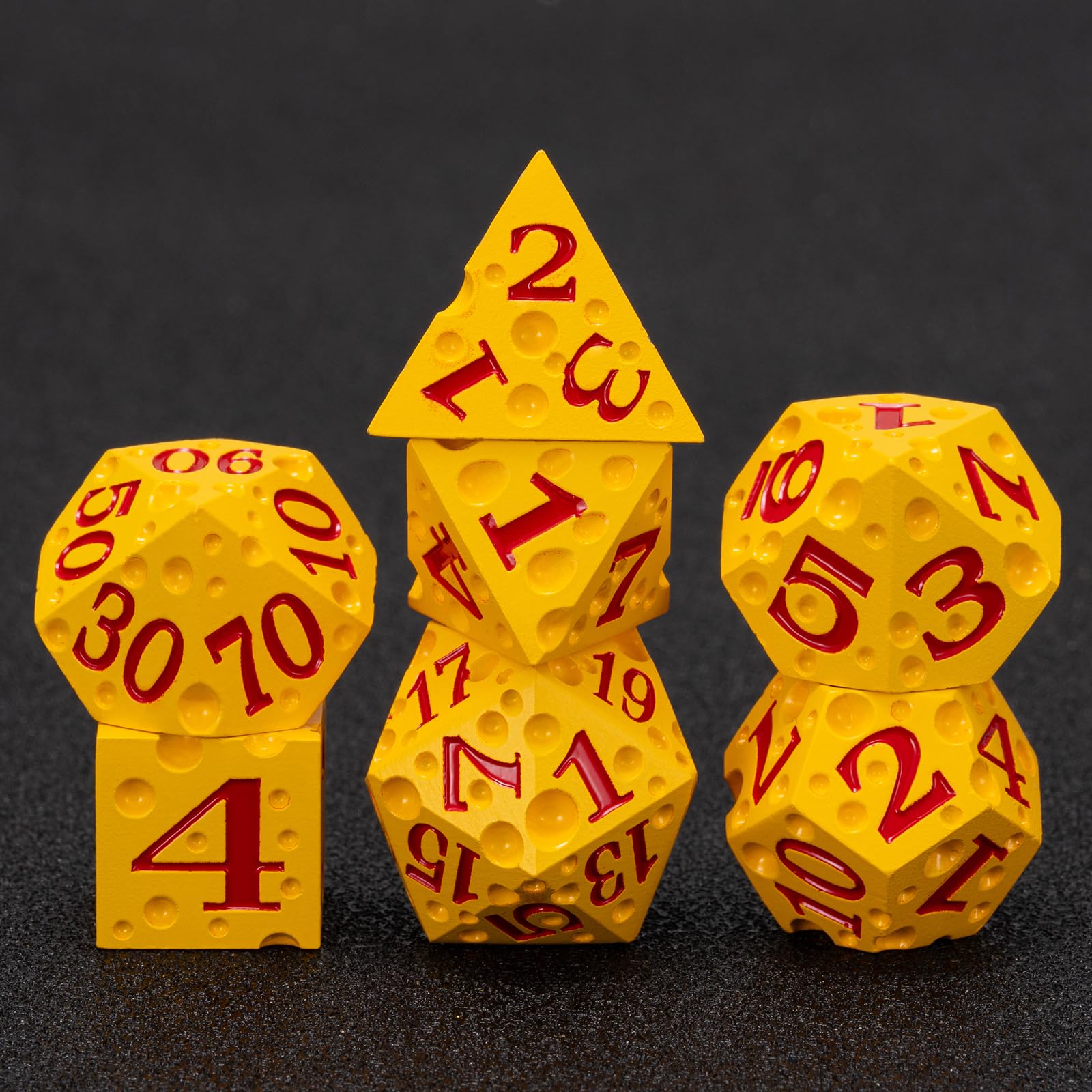
Metal Cheese Dice
Price: $22.89 on Amazon Buy Now

Squirrel Resin Dice
Price: $10.99 on Amazon Buy Now

Sharp Edge Resin Dice
Price: $22.99 on Amazon Buy Now
Evoker Wizard
The Walking Nuclear Weapon
The Evocation Wizard has long held a reputation as one of the most devastating damage dealers in Dungeons & Dragons, and the 2024 rules do nothing to change that. While
other spellcasters may focus on utility, support, or summoning creatures, the Evoker specializes in a far simpler philosophy: if there's a problem, there's probably a
spell capable of blowing it up.
What makes the Evocation Wizard particularly appealing is the sheer amount of magical firepower at its disposal. From the earliest levels of play, the subclass gains
access to some of the game's most iconic spells. Fireball, Lightning Bolt, Cone of Cold, Chain Lightning, and Meteor Swarm are not merely tools in the Evoker's arsenal—they
are often encounter-ending solutions. Few classes can reshape a battlefield as dramatically with a single action.
Unlike many damage-focused characters, the Evocation Wizard doesn't need to choose between power and precision. One of the subclass's greatest strengths is its ability to
unleash devastating area-of-effect spells without constantly worrying about friendly fire. While other spellcasters may hesitate before dropping a Fireball into a crowded
fight, the Evoker can often cast with confidence, turning dangerous situations into smoking craters while allies continue fighting unharmed.
The subclass also benefits from the Wizard's unmatched spell list. While raw damage may be its specialty, an Evoker is still a Wizard at heart. When blasting isn't the
answer, the class still has access to powerful utility, battlefield control, exploration magic, and defensive options. This versatility ensures that the character remains
valuable both inside and outside of combat encounters.
Perhaps the most frightening aspect of the Evocation Wizard is how quickly it can change the course of a battle. A difficult encounter can become manageable after a
well-placed Fireball. An overwhelming group of enemies can disappear in a single turn. Entire encounters are often designed around controlling dangerous foes, but the
Evoker frequently solves the problem by removing those foes from existence altogether.
For players who enjoy overwhelming magical power, massive damage numbers, and the satisfaction of watching enemies disappear beneath a storm of arcane energy, the
Evocation Wizard remains one of the most explosive and effective builds available in D&D 5e's 2024 ruleset.
Recommended Setup
- Species: High Elf or Human
- Background: Sage
- Primary Stat: Intelligence
- Secondary Stat: Constitution
- Weapon: Quarterstaff or Dagger
- Armor: Mage Armor
- Subclass: Evocation Wizard
- Feats:
- War Caster
- Alert
- Resilient (Constitution)
- Massive area-of-effect damage
- Excellent battlefield control
- Can protect allies from friendly fire
- Huge spell selection
- Strong utility outside combat
- Low hit points
- Limited armor options
- Can be vulnerable when focused by enemies
- Requires resource management
- Dependent on spell slots
What Makes it Good?
The Evocation Wizard excels at one thing better than almost any other build in D&D: dealing massive amounts of damage to multiple enemies at once. While other classes may focus
on single-target damage or battlefield support, the Evoker specializes in ending encounters before they become a threat.
At Level 2, you gain Sculpt Spells, one of the most iconic features of the subclass. This ability allows you to protect allies caught within your area-of-effect spells, solving
one of the biggest problems many spellcasters face. Instead of worrying about whether your Fireball will hit the Fighter standing in the middle of a group of enemies, you can
cast with confidence and let the enemy suffer the consequences.
As you gain levels, the Evocation Wizard gains access to increasingly devastating spells. Fireball, Lightning Bolt, Cone of Cold, and Chain Lightning become tools capable of removing
entire groups of enemies in a single turn. Few subclasses can match the sheer amount of damage an Evoker can unleash when a battle begins.
The subclass also benefits from the Wizard's incredible spell list. While blasting enemies is often the preferred solution, the Evoker still has access to powerful utility spells,
defensive magic, and battlefield control options. This flexibility ensures the character remains useful even when direct damage isn't the answer.
Perhaps the greatest strength of the Evocation Wizard is its ability to completely change the outcome of a battle with a single spell. A difficult encounter can suddenly become manageable
after a well-placed Fireball. An overwhelming group of enemies can disappear in a flash of arcane energy. While many classes gradually wear down their opponents, the Evoker often wins by
overwhelming them immediately.
Example at Level 5
Let's say:
- Intelligence 18
- Spell Save DC 15
- Fireball Prepared
- Sculpt Spells Available
- 3rd-Level Spell Slots
Let's say:
- Intelligence 18
- Spell Save DC 15
- Fireball Prepared
- Sculpt Spells Available
- 3rd-Level Spell Slots
- 8d6 Fire Damage
- 20-foot radius explosion
- Potentially hits multiple enemies at once
- Increase survivability when enemies target you
- Protect your concentration and stay in the fight
The result is a character capable of turning difficult encounters into manageable fights with a single spell. Whether incinerating groups of enemies with Fireball, controlling the battlefield with powerful magic, or solving problems through the Wizard's extensive spell list, the Evocation Wizard remains one of the most explosive and devastating builds in D&D 5e's 2024 ruleset.
Moon Druid
The Unkillable Beast
The Moon Druid has long been one of the most infamous subclasses in Dungeons & Dragons, and for good reason. Few characters can match its combination of survivability, versatility, and
raw staying power. While most adventurers must carefully manage their health and resources, the Moon Druid often feels like it has multiple health bars, allowing it to remain in the fight
long after other characters have fallen.
What makes the Moon Druid particularly powerful is its ability to adapt to almost any situation. Need a frontline tank? Transform into a powerful beast and charge into battle. Need a scout?
Take the form of a small animal and slip through areas unnoticed. Need a spellcaster? Return to your natural form and unleash the full power of the Druid spell list. Few subclasses can switch
roles as effortlessly as the Moon Druid.
The 2024 rules continue to support the subclass's greatest strength: flexibility. While many optimized builds focus on doing one thing exceptionally well, the Moon Druid excels because it can
do almost everything reasonably well. It can absorb damage, support allies, control the battlefield, explore dangerous environments, and still contribute meaningful damage throughout an encounter.
Perhaps the most frustrating aspect of fighting a Moon Druid is simply keeping it down. Even after enemies work through a powerful beast form, the Druid remains standing with its normal hit points
and access to healing magic. Opponents often find themselves spending significant resources just to remove a single Moon Druid from a fight, resources that could have been spent dealing with the
rest of the party.
The subclass also benefits from one of the strongest spell lists in the game. While many players focus on Wild Shape, the Druid spell list offers healing, battlefield control, summoning, utility,
and exploration tools capable of solving countless challenges. This allows the Moon Druid to remain valuable even when transforming into a beast isn't the best solution.
For players who enjoy versatility, survivability, and the ability to adapt to whatever challenges a campaign presents, the Moon Druid remains one of the strongest and most reliable builds in D&D
5e's 2024 ruleset. Whether you're clawing through enemies as a massive beast, scouting ahead for the party, or supporting allies with powerful magic, the Moon Druid always seems to have
the right answer for the problem at hand.
Recommended Setup
- Species: Human
- Background: Guide
- Primary Stat: Wisdom
- Secondary Stat: Constitution
- Weapon: Quarterstaff
- Armor: Light Armor and Shield
- Subclass: Circle of the Moon
- Feats:
- War Caster
- Tough
- Alert
- Exceptional survivability
- Versatile Wild Shape options
- Full spellcasting progression
- Strong exploration capabilities
- Can fill multiple party roles
- More complex than most classes
- Requires knowledge of multiple forms
- Resource management can be challenging
- Damage output varies by encounter
- Can feel overwhelming for newer players
What Makes it Good?
The Moon Druid succeeds because it combines survivability, versatility, and spellcasting into a single package. While many classes must choose between offense, defense, and support, the Moon
Druid can comfortably perform all three roles depending on the situation.
At Level 3, Wild Shape becomes much more than a roleplay tool. The subclass can use it to gain additional durability, enter combat as a powerful beast, and absorb damage that would otherwise
threaten the party. Enemies often find themselves burning through an entire beast form only to discover the Druid is still standing and ready to continue the fight.
The Druid spell list further enhances the subclass's effectiveness. Healing spells keep allies alive, battlefield control spells limit enemy options, and utility spells ensure the character
remains useful outside of combat. This flexibility allows the Moon Druid to contribute regardless of the challenge placed before the party.
What truly makes the subclass shine is its ability to adapt. If the party needs a tank, the Moon Druid can step forward. If the group needs a scout, the Druid can transform into a small animal.
If the situation calls for healing or crowd control, the Druid can rely on its powerful spellcasting instead. Few classes offer this level of versatility without sacrificing effectiveness.
Perhaps the greatest strength of the Moon Druid is that it always seems to have an answer. Whether the party needs someone to survive overwhelming damage, infiltrate a guarded location, or support
allies through powerful magic, the Moon Druid can adapt to the challenge and remain a valuable asset in virtually every encounter.
Example at Level 5
Let's say:
- Wisdom 18
- Wild Shape Available
- Brown Bear Form
- 3rd-Level Spell Slots
- War Caster
- Gain additional hit points
- Become a frontline threat
- Protect vulnerable allies
- Reliable damage over multiple rounds
- Control enemy positioning
- Remain effective at range
While a Barbarian may absorb more punishment and a Wizard may deal more damage, the Moon Druid combines durability, utility, and spellcasting into a single character. Few builds can shift between roles as effectively or as often.
The result is a character that always seems prepared for whatever challenge comes next. Whether tanking on the front lines, scouting ahead of the party, healing allies, or controlling the battlefield with powerful spells, the Moon Druid remains one of the most versatile and difficult-to-defeat builds in D&D 5e's 2024 ruleset.